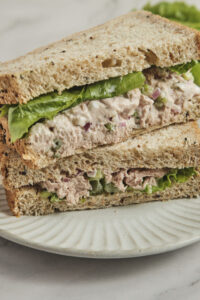



Looking for an alternative to your boring old turkey sandwich? Take it up a notch and try making this delightful Jumeokbap recipe!
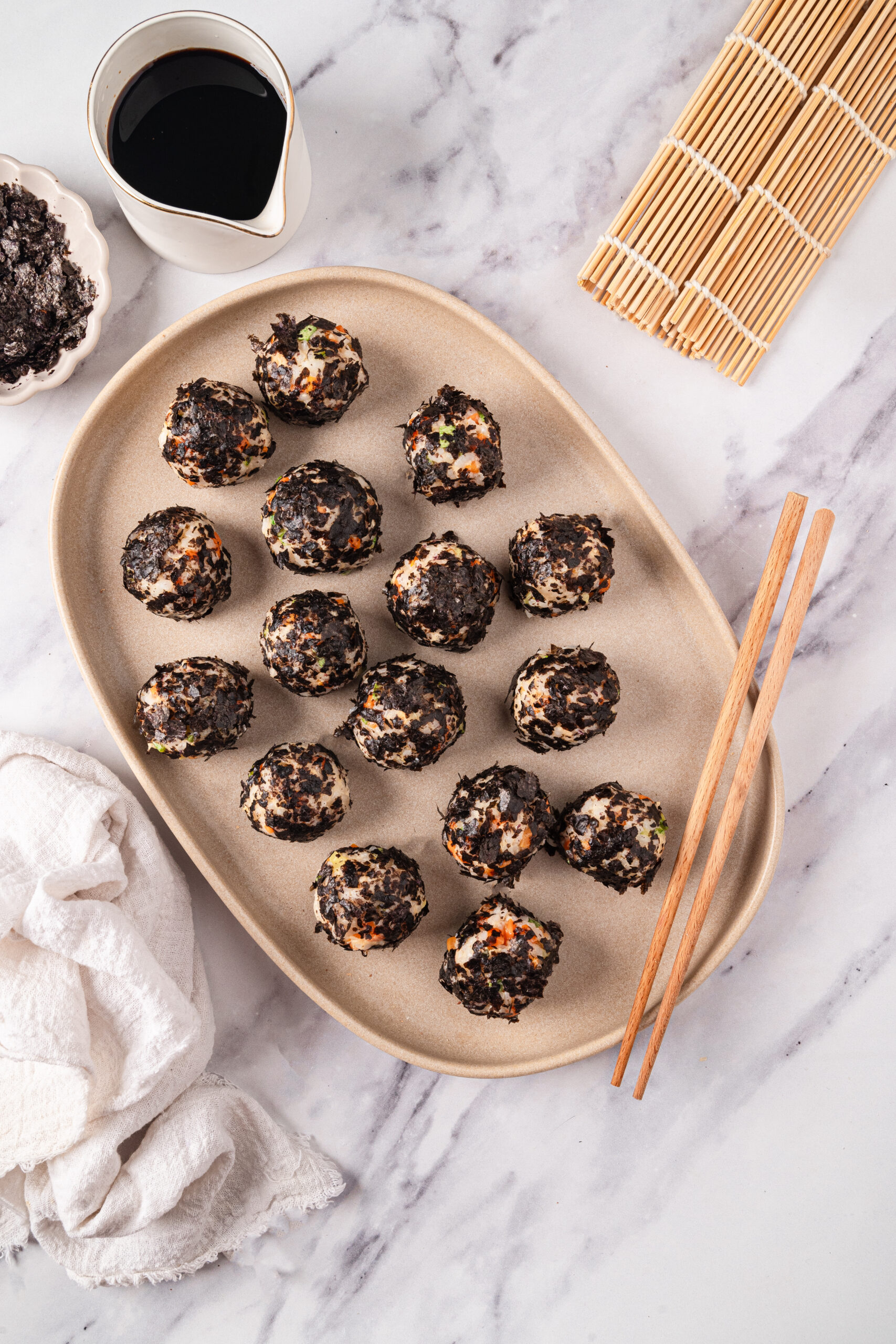
Looking for an easy recipe that works for lunch, a snack, or a quick side dish? Try making this jumeokbap recipe. For those of you who don’t know, jumeokbap are Korean rice balls that are a super simple meal to make and are incredibly versatile. Traditionally filled with sautéed vegetables, meat, or seafood, jumeokbap is a great way to use up leftover rice and pantry staples like canned fish and nori. This version features savory salmon, seasoned rice, and crisp vegetables, creating a flavorful bite that’s perfect for work, school lunches, or even a picnic. They’re also a fun, tasty alternative to the usual sandwich.
Growing up, my grandma made jumeokbap often for my siblings and me to take to school. Instead of salmon, she would pan-sear Spam, mix in kimchi, and add sliced scallions—proof that you can easily customize the filling to suit your taste.
Ready in 20 minutes, this recipe is perfect for busy weeknights when you need something quick and delicious. Whether you’re using leftovers or experimenting with new fillings, jumeokbap offers a convenient and flavorful treat that’s sure to become a household favorite.
What’s the difference between jumeokbap and onigiri?
If you’re a rice ball fanatic like I am, you might be wondering: What is the difference between jumeokbap and onigiri? Just so we are clear, jumeokbap and onigiri are both rice balls; however, jumeokbap is Korean, and onigiri is Japanese. Jumeokbap is usually round or fist-shaped, with rice that’s pre-seasoned and mixed with ingredients like kimchi, tuna, sautéed veggies, or Spam. Onigiri is typically triangular, with plain rice and a hidden filling like salted salmon or pickled plum, often wrapped neatly in nori. Overall, jumeokbap tends to be more casual and customizable, while onigiri is more structured and minimal.
How do I store leftovers?
If you’ve got any leftovers from this jumeokbap recipe, you can store them in an airtight container in the refrigerator for up to 1 day. It’s always best to eat rice balls like these jumeokbap pretty quickly, since the rice can lose its moisture and dry out fast. You can reheat it by placing the rice balls on a microwave-safe plate, covering them with a damp paper towel, and microwaving on 50% power for 30-60 seconds until warmed through. You can also use a bamboo steamer and steam the rice balls for 2-3 minutes until heated evenly. Alternatively, pan-fry them lightly in a skillet with a small amount of sesame oil over medium heat for 1-2 minutes per side until warmed and slightly crispy on the outside.
Serving suggestions
I love packing these jumeokbap for lunches; however, I always need some side dishes to make it a complete meal. Last week, I paired this recipe with this spicy Cucumber Kimchi, some Pickled Daikon, and this Korean Fried Chicken. I took all the leftovers to work for lunch in a reusable bento box, and they were even more delicious the day after. If you want to keep it simple, you can make these rice balls as a side dish with this Kimchi-Jjigae recipe.
Jumeokbap
Ingredients
Instructions
Nutrition
The post Jumeokbap appeared first on Food Faith Fitness.